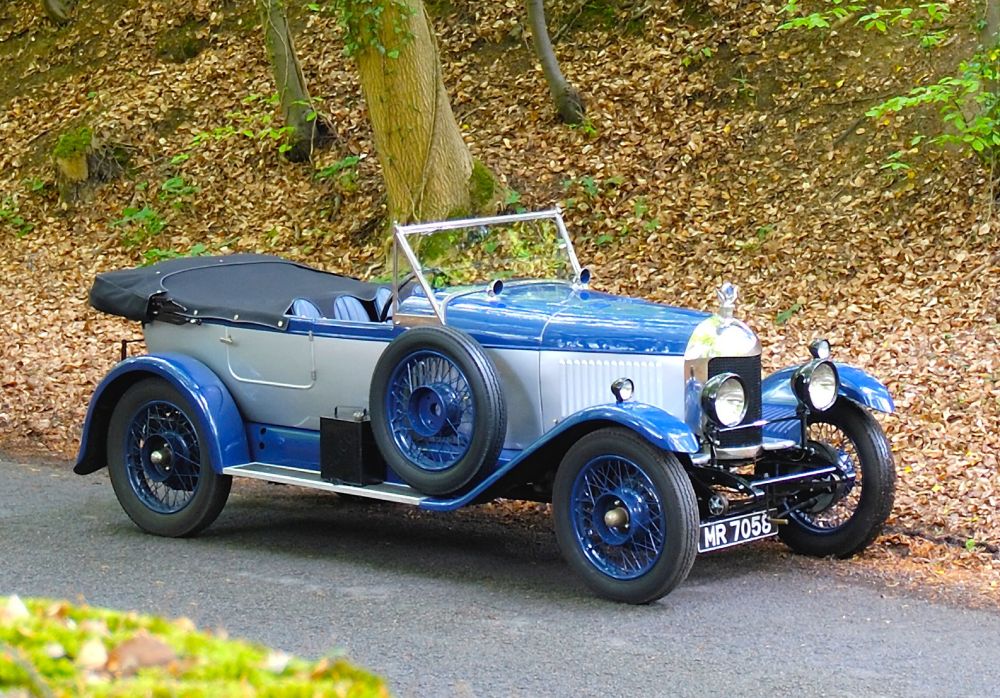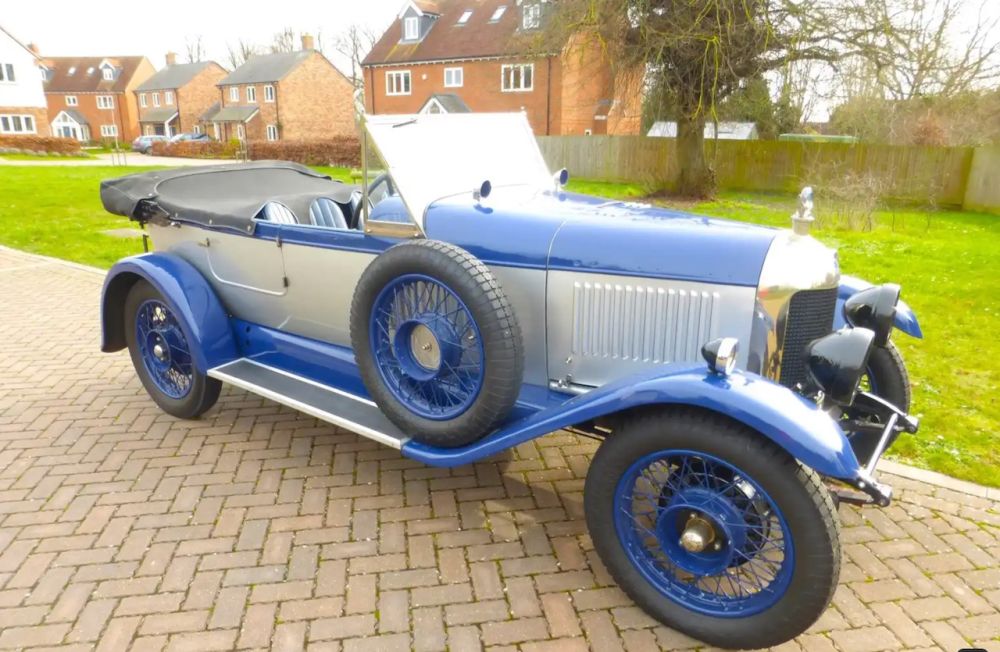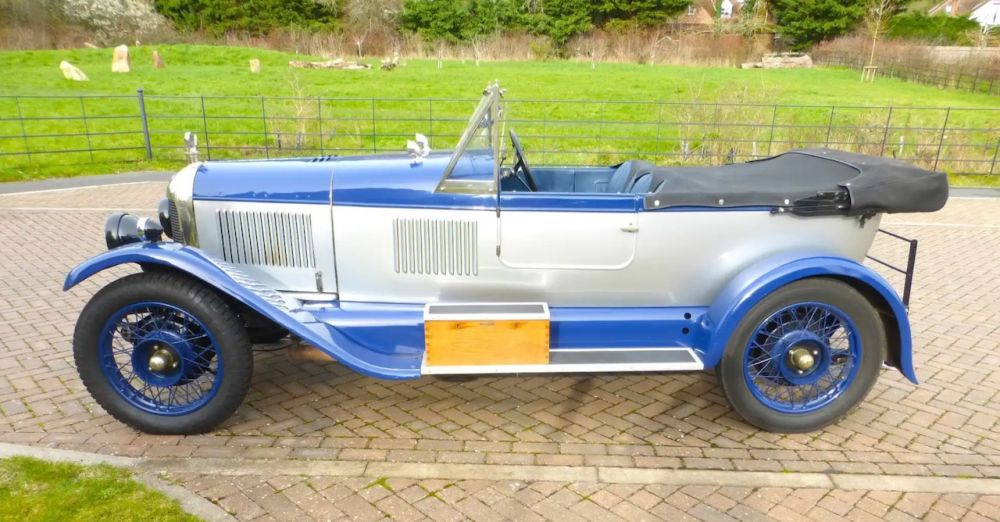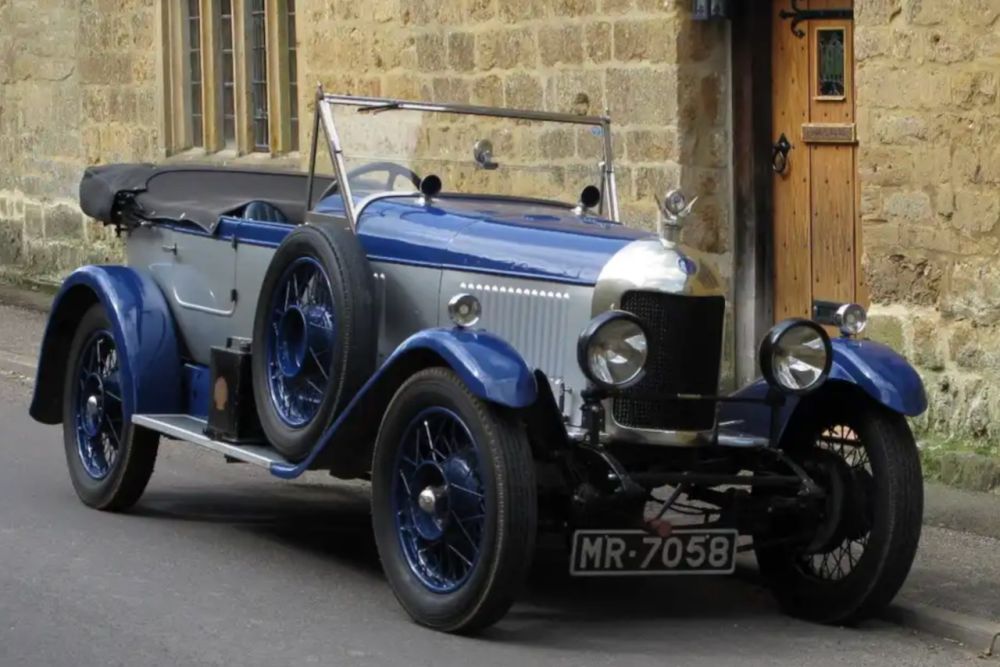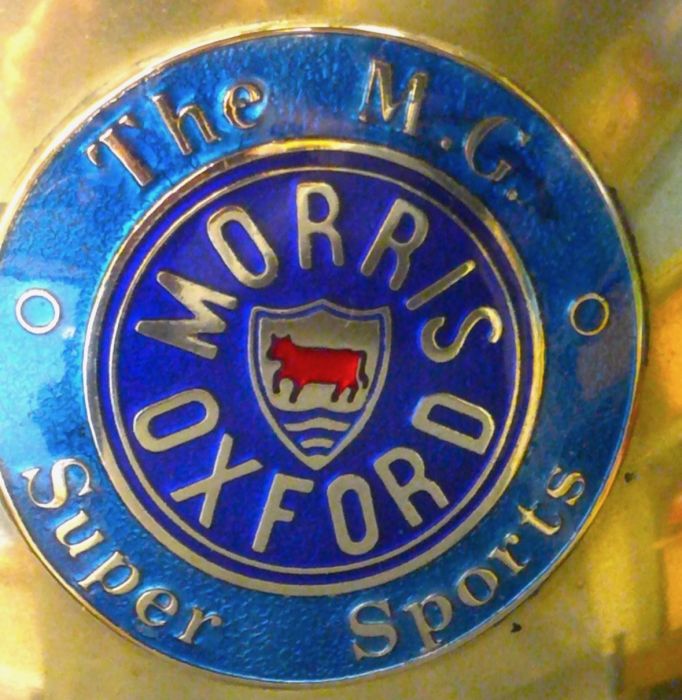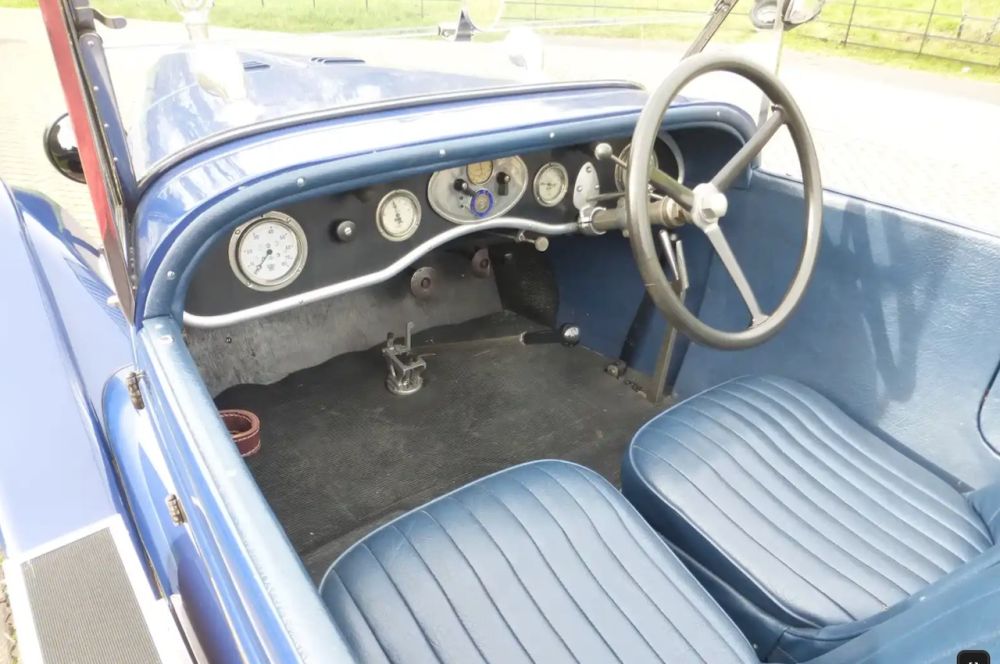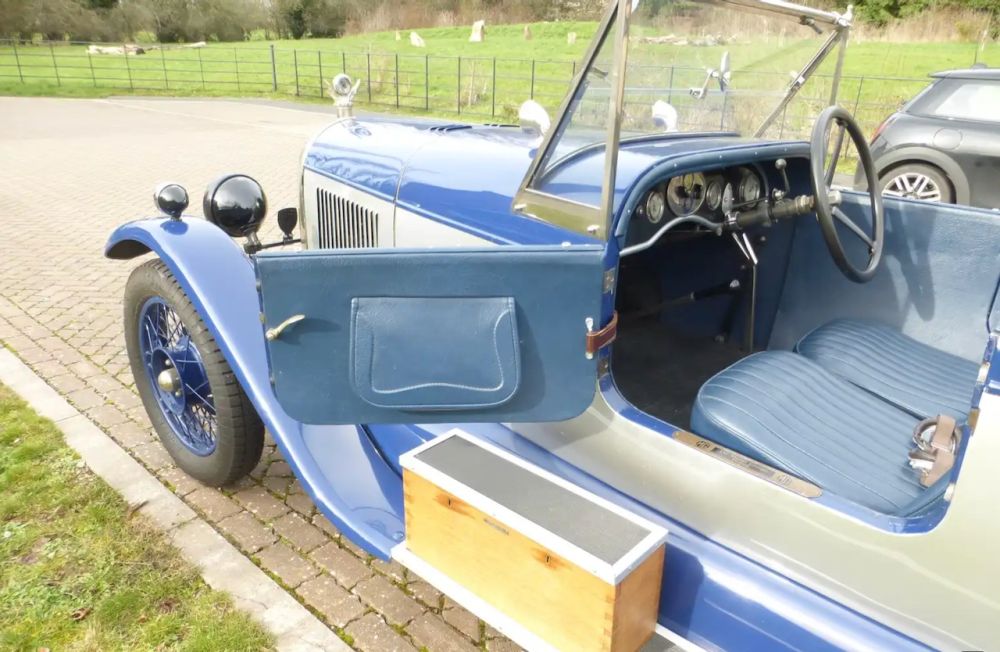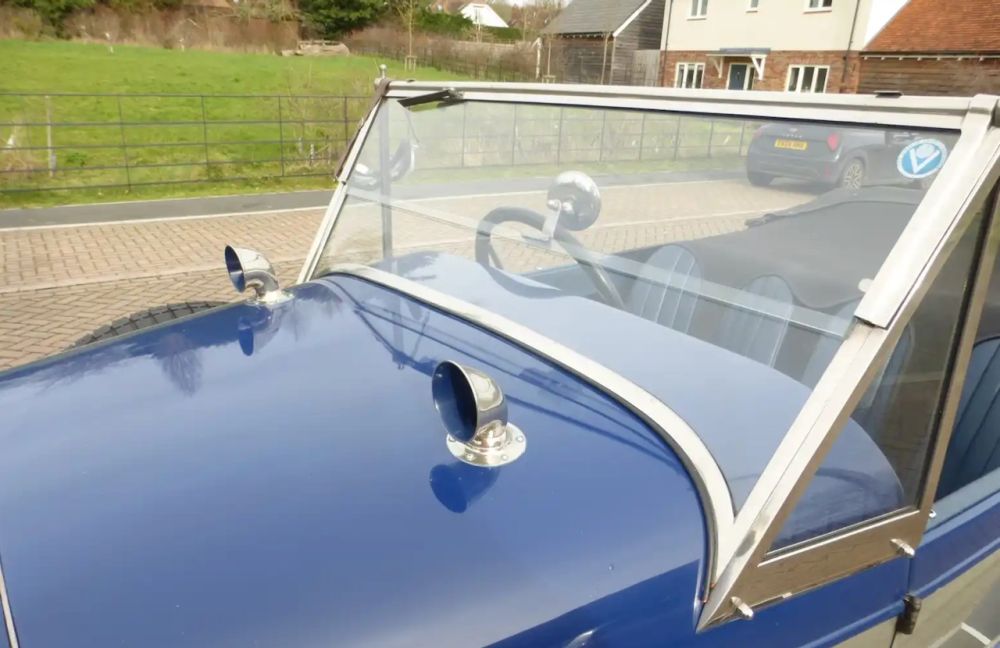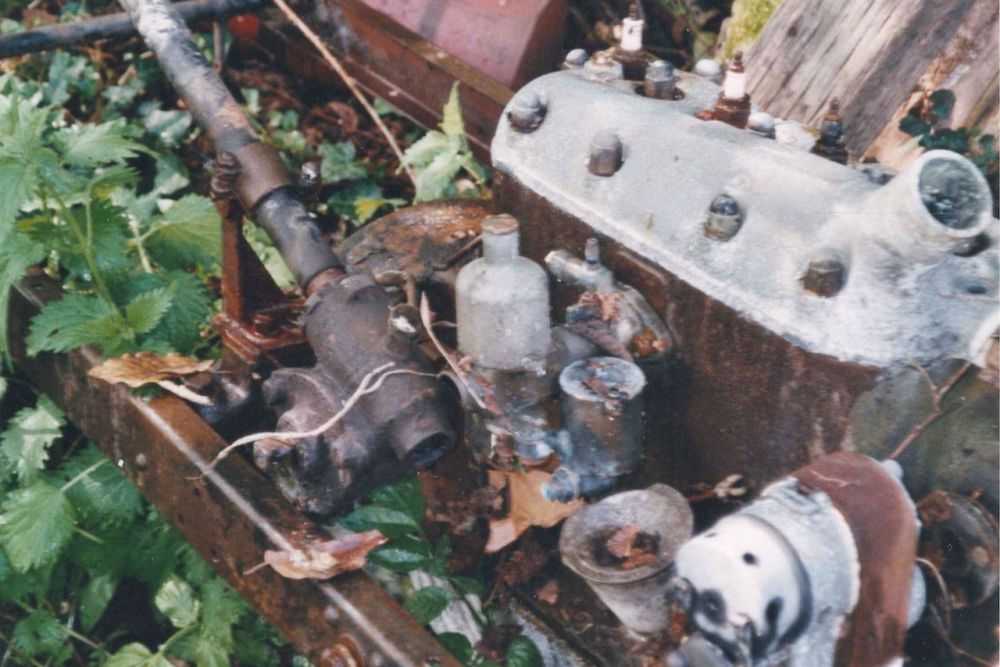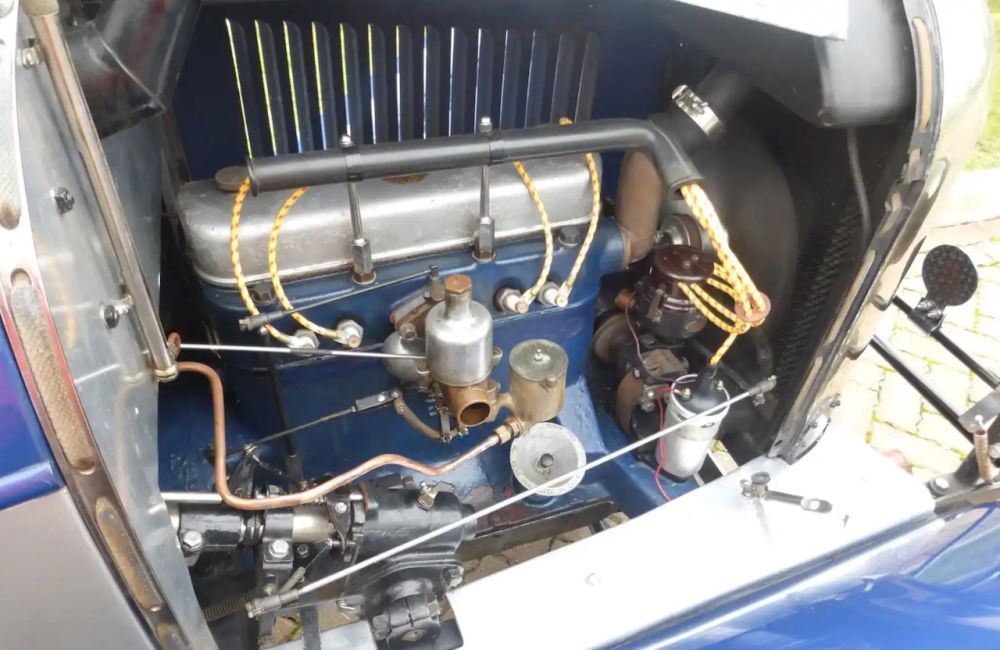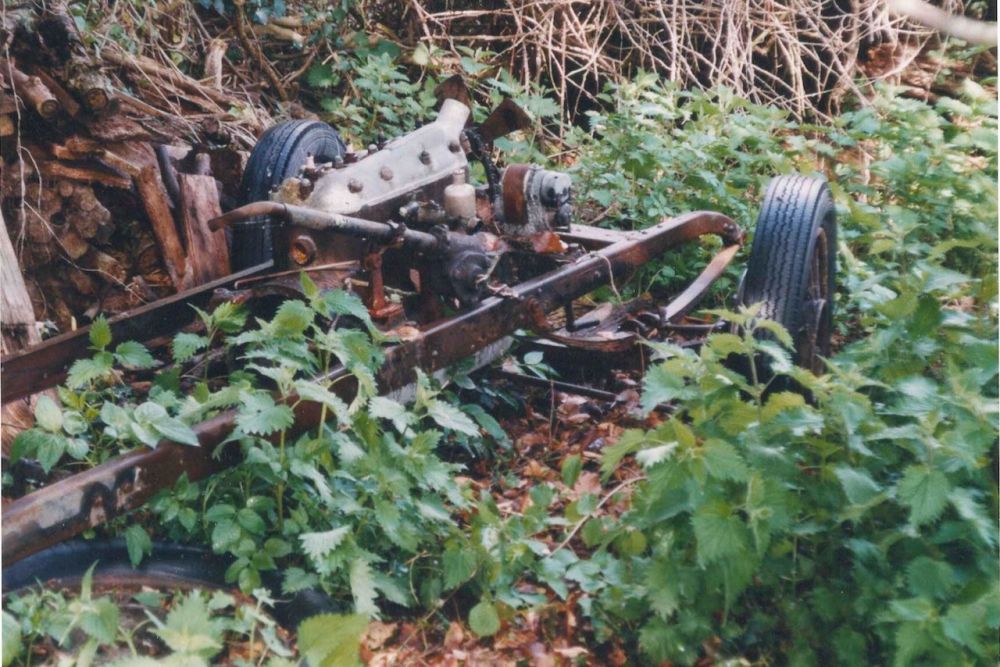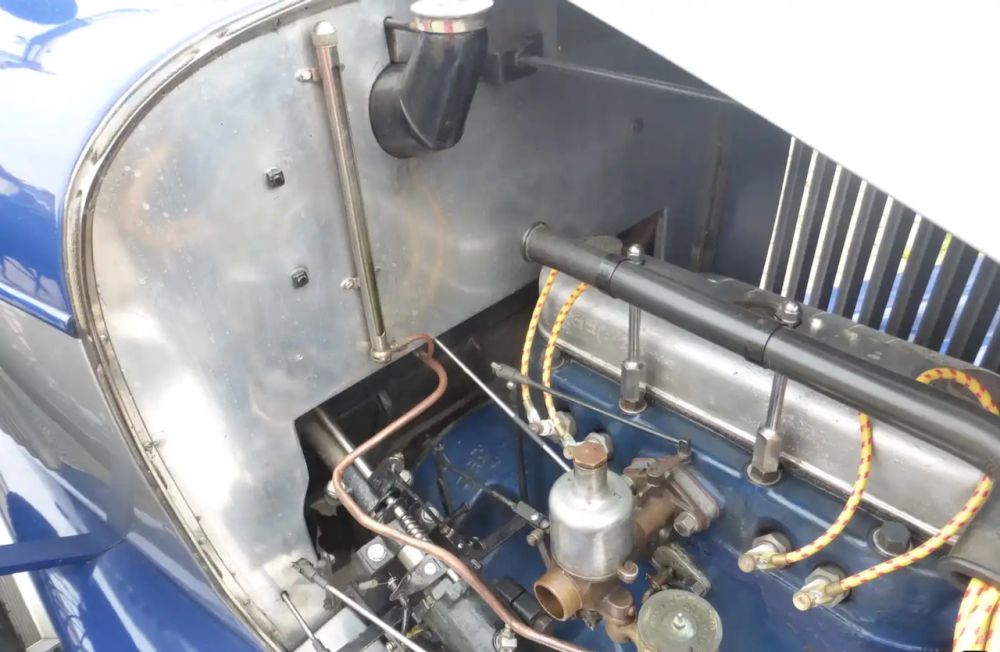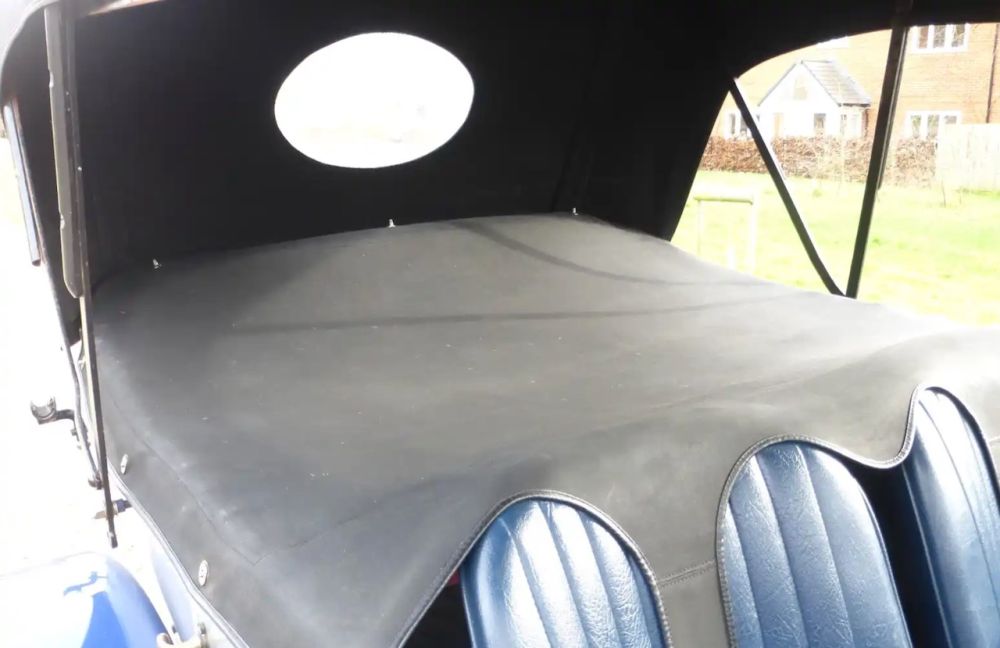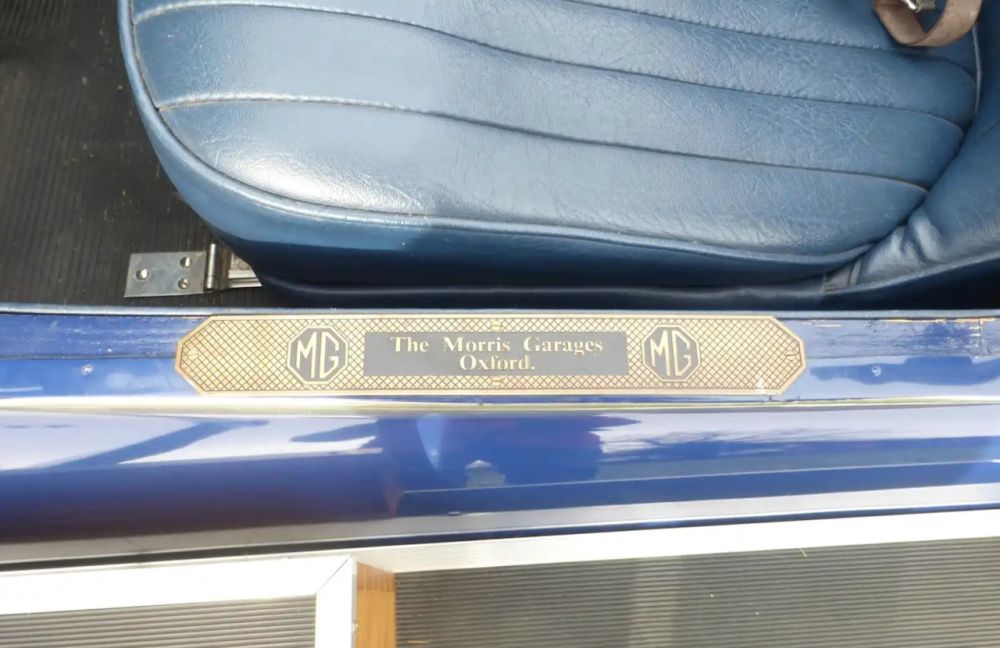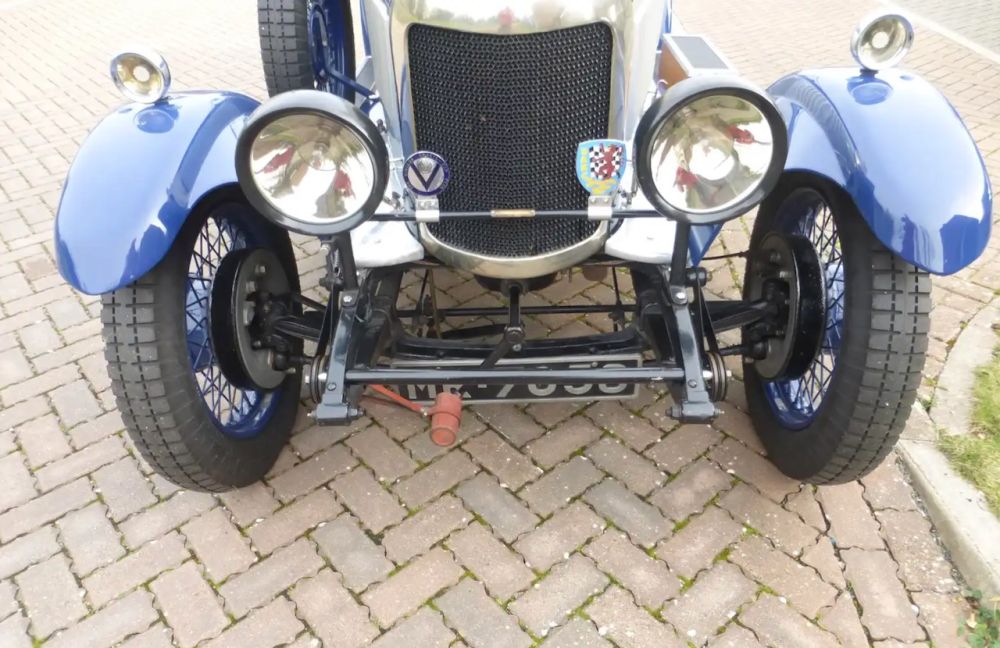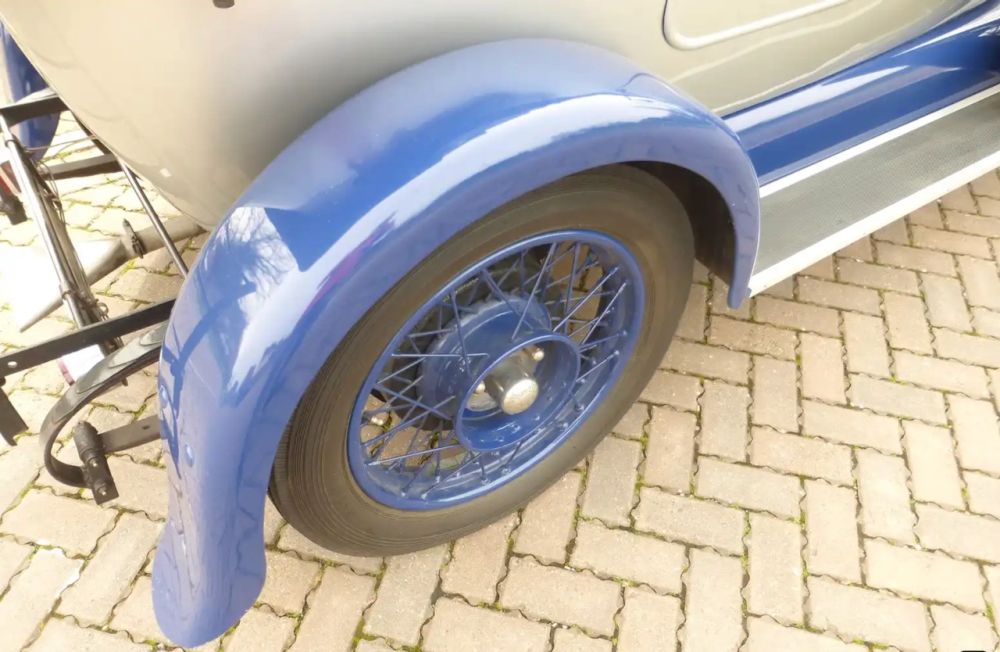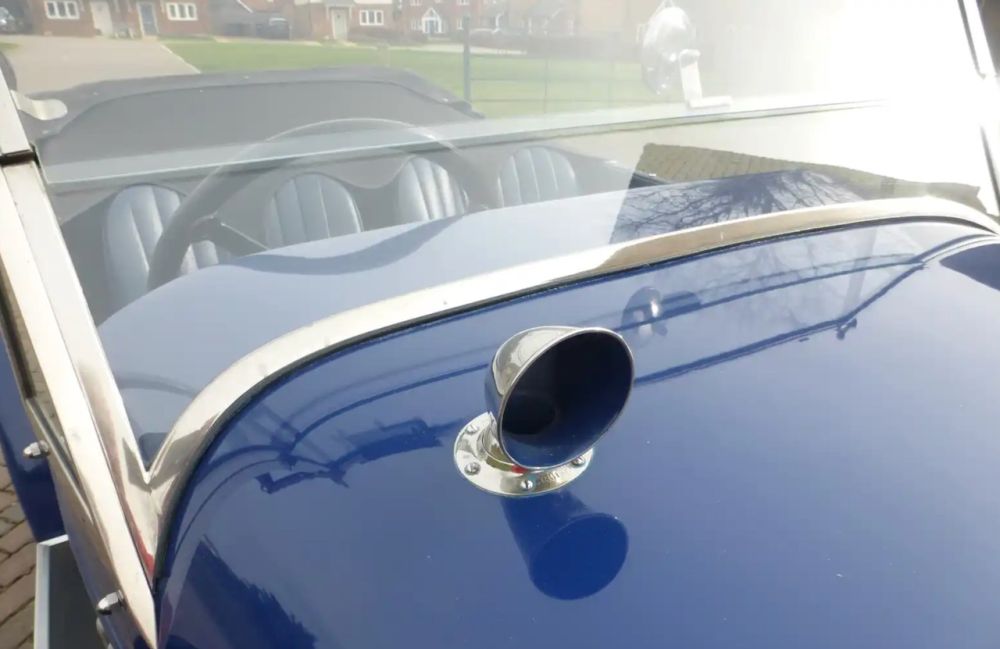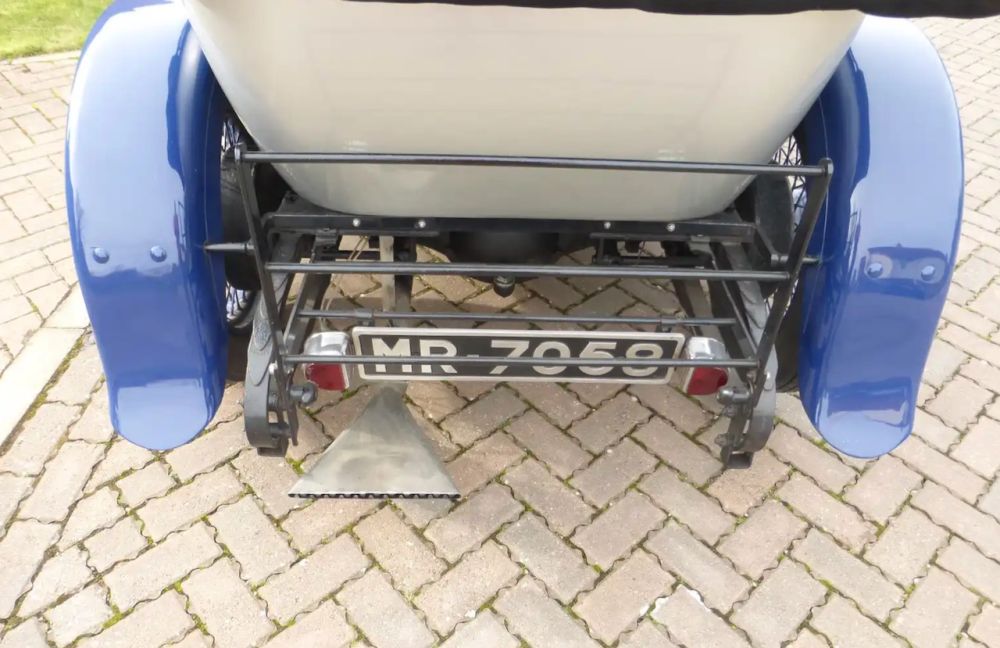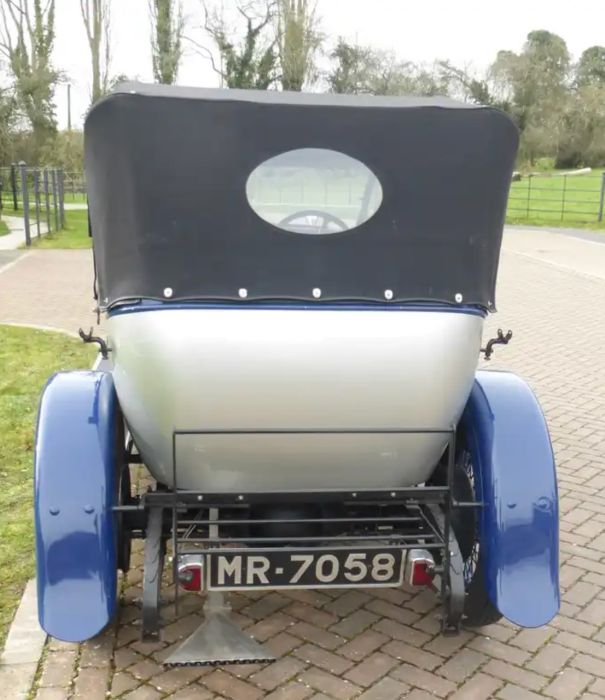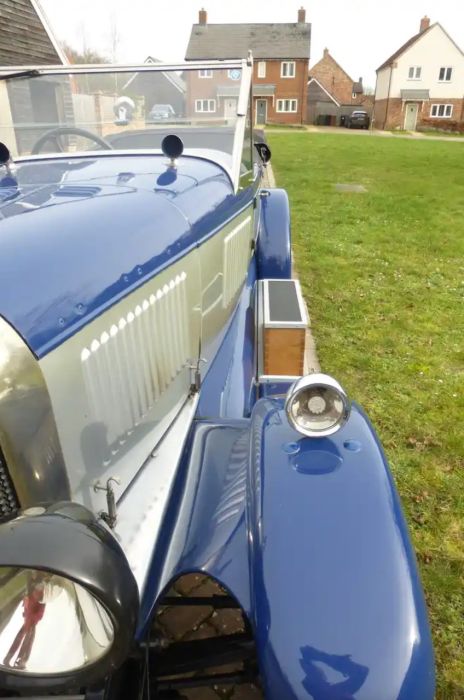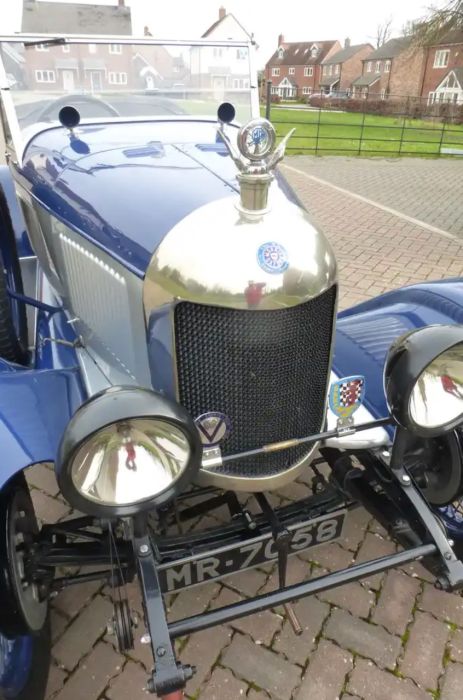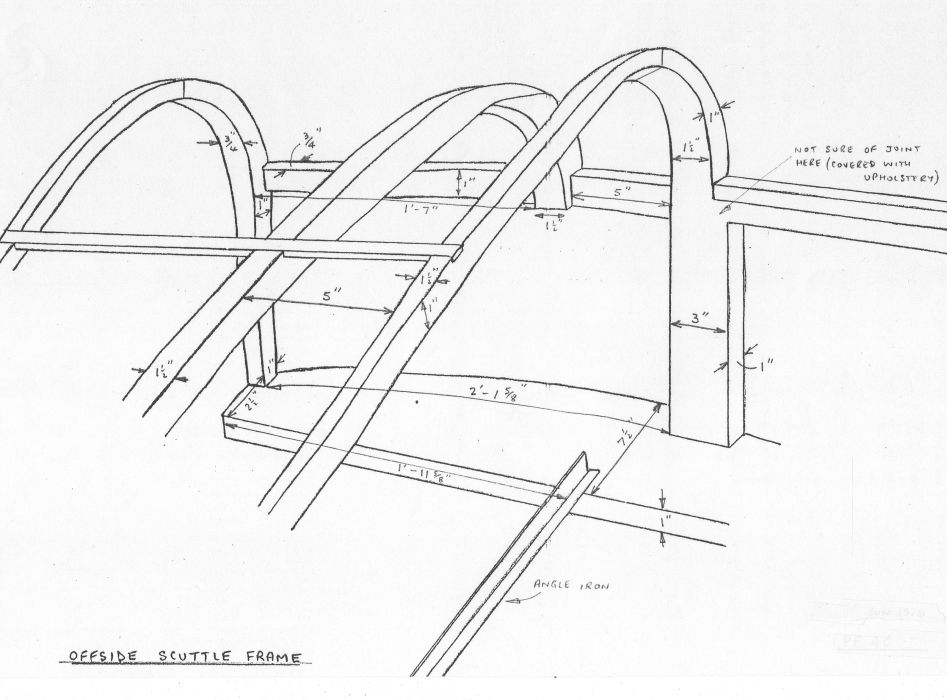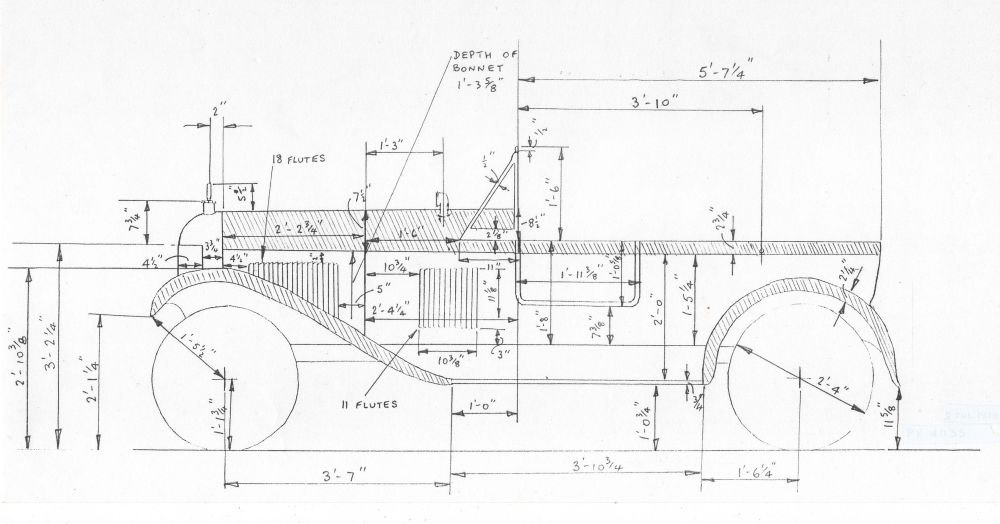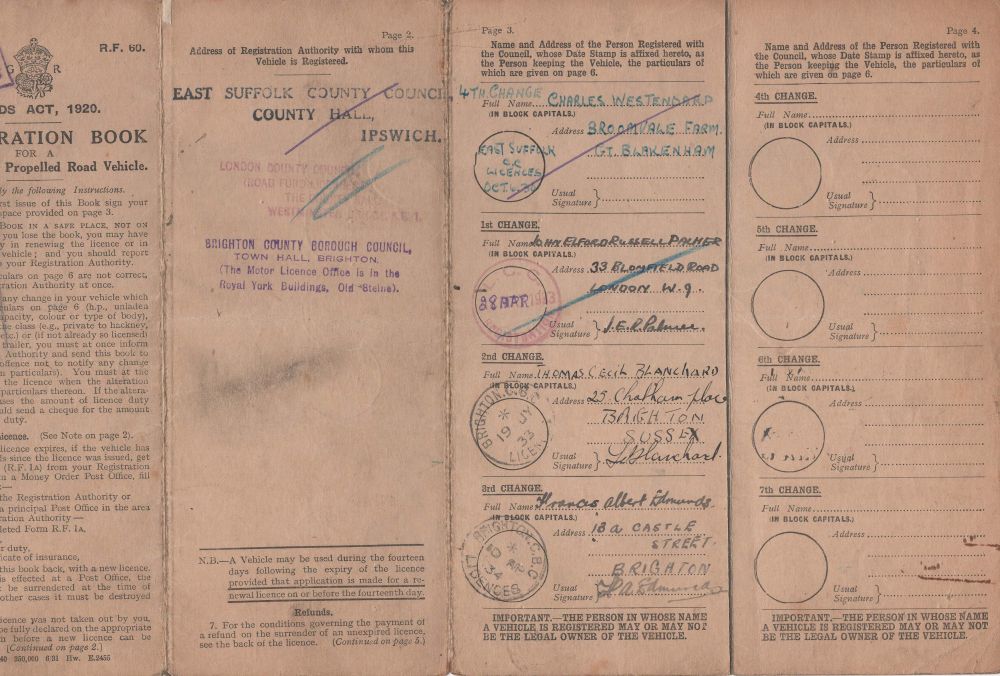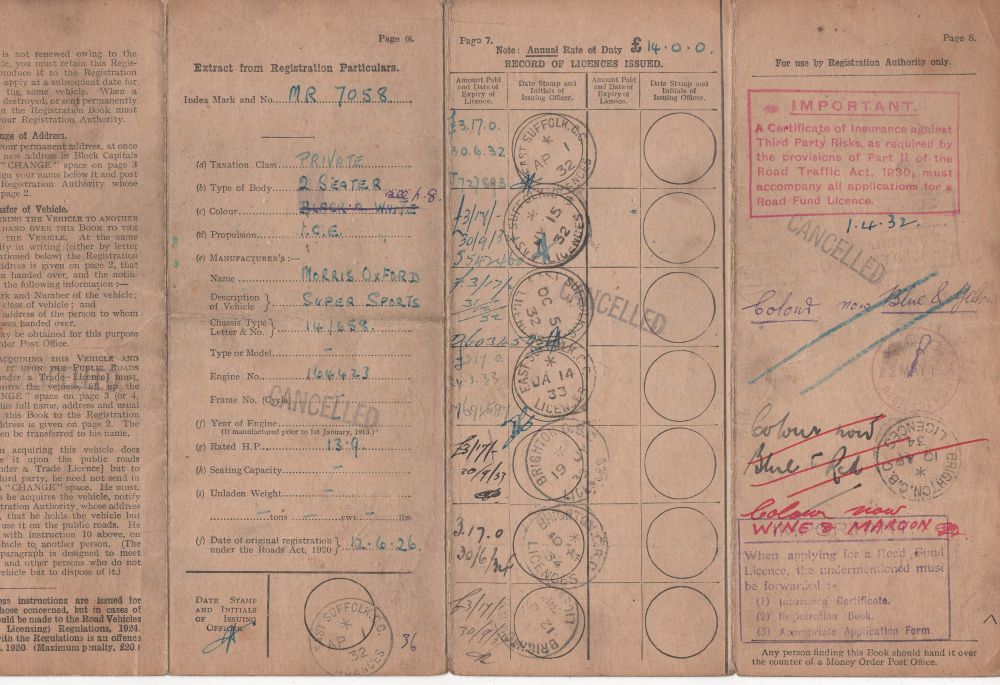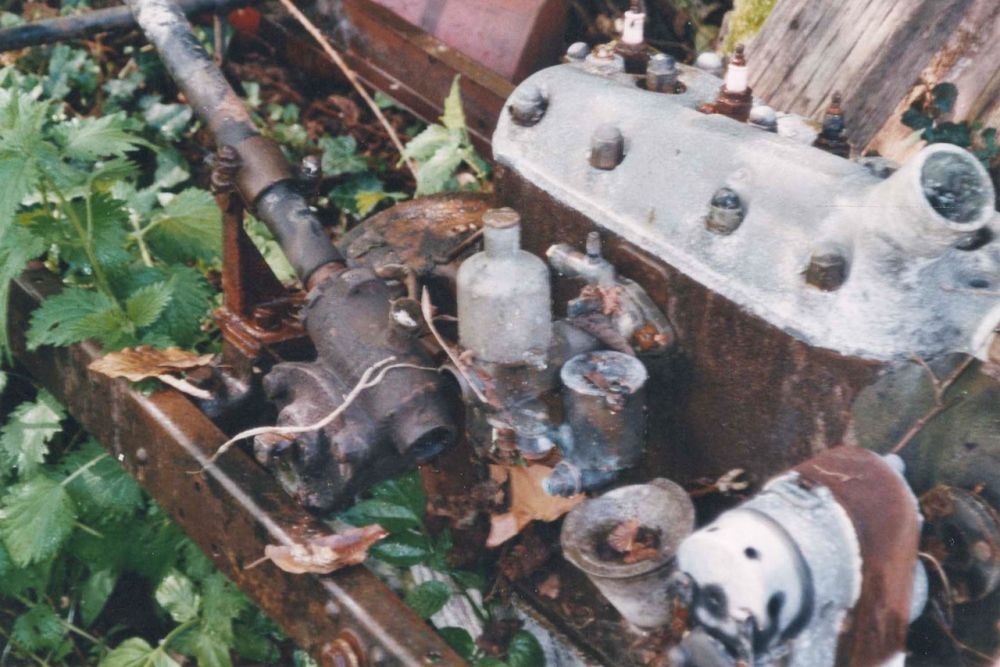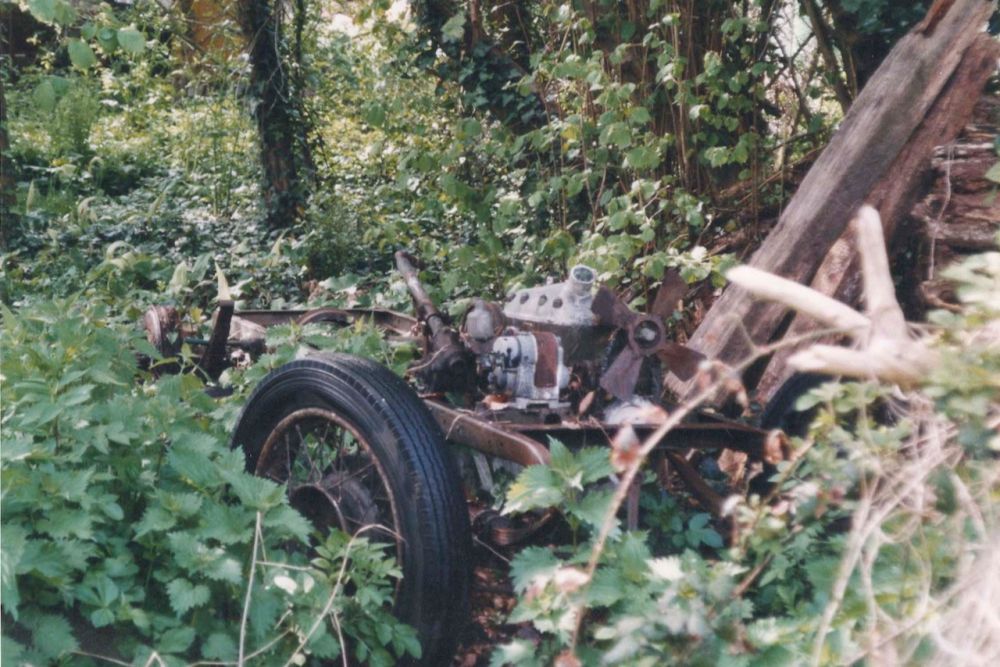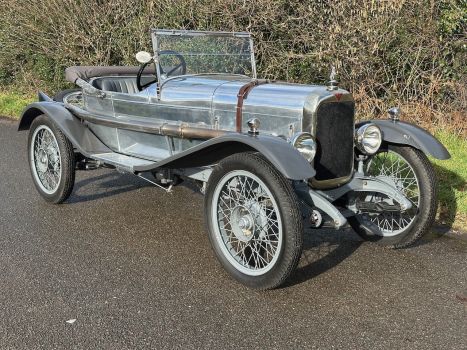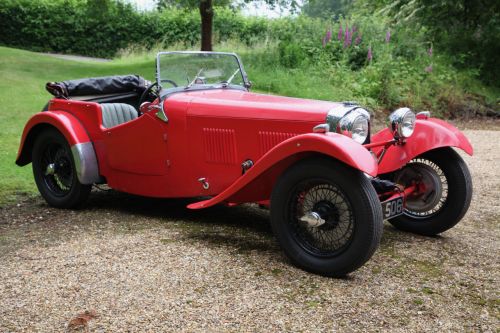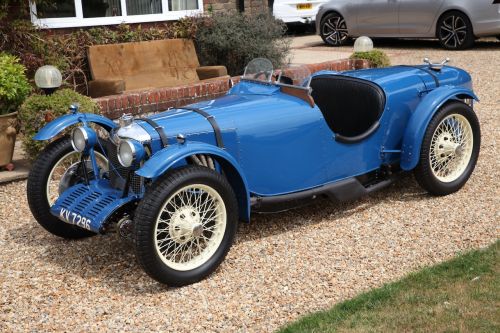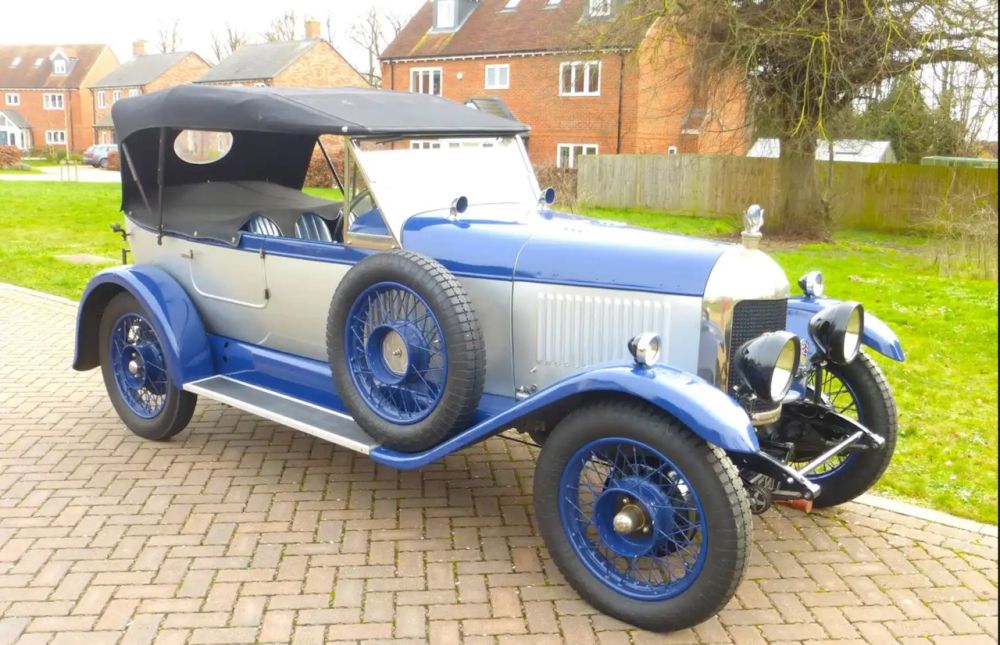

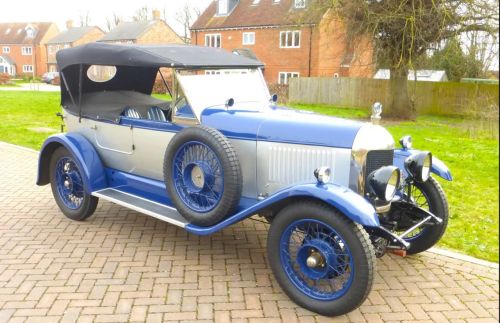
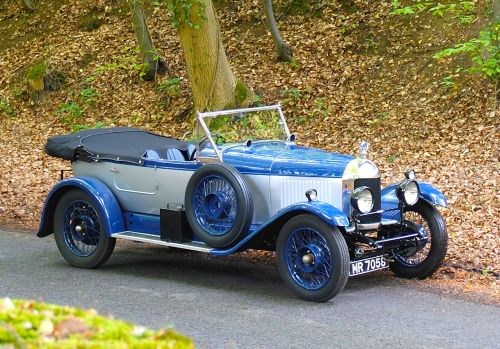
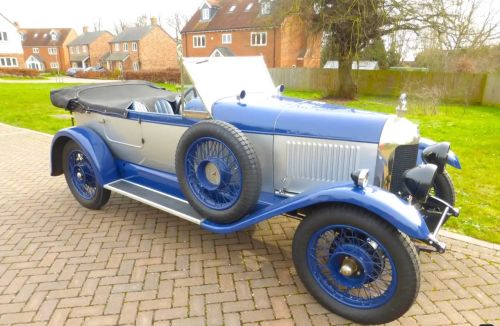
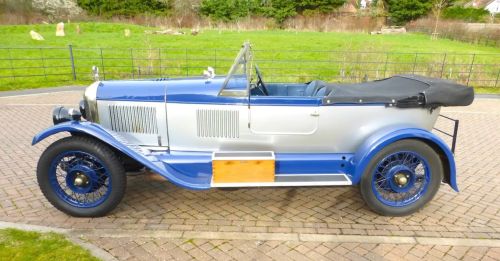
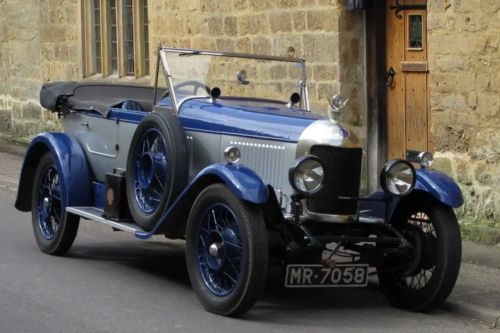
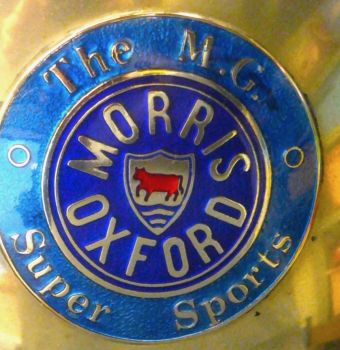
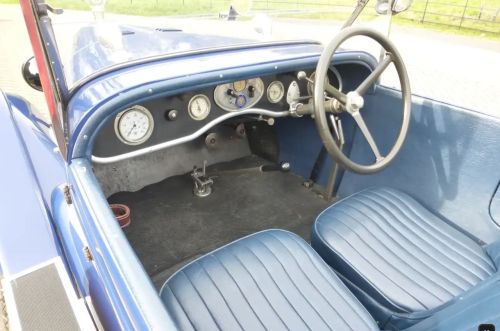
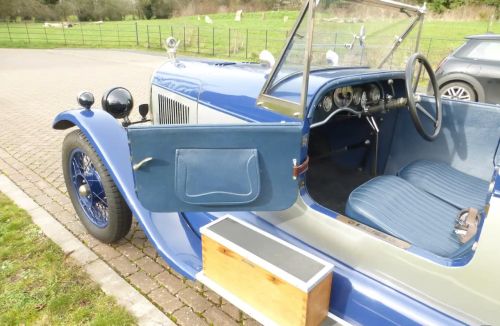
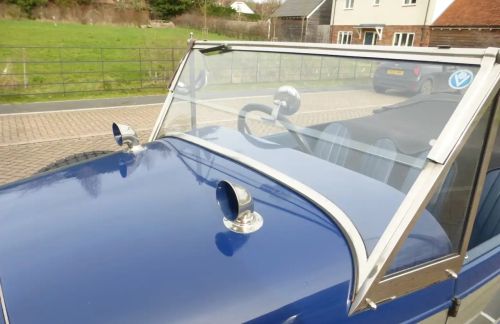
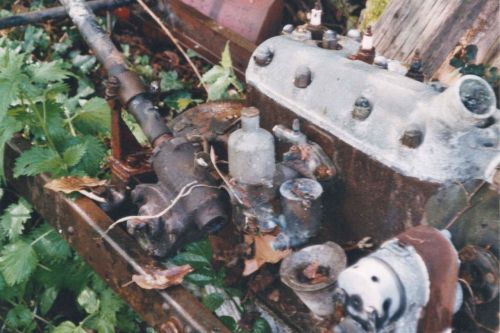
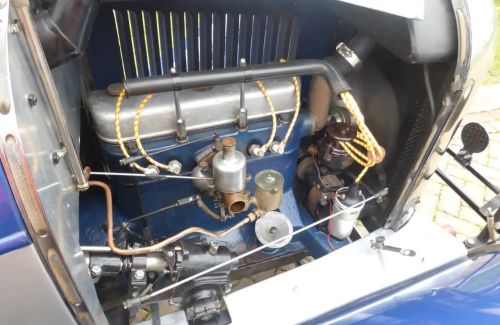
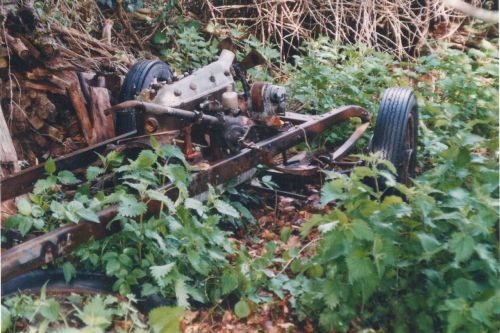
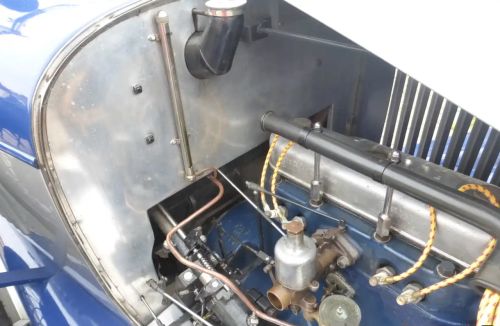
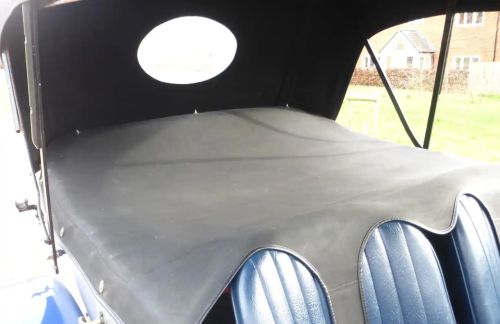
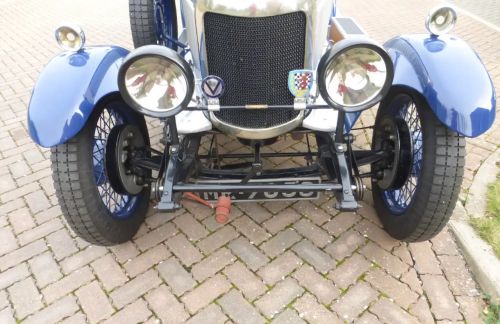
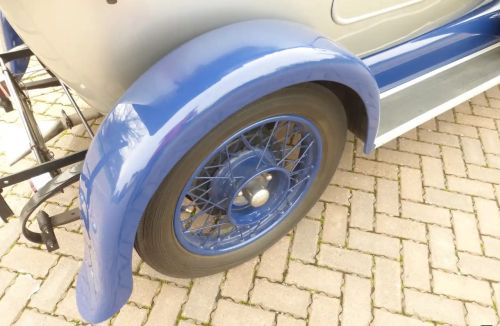
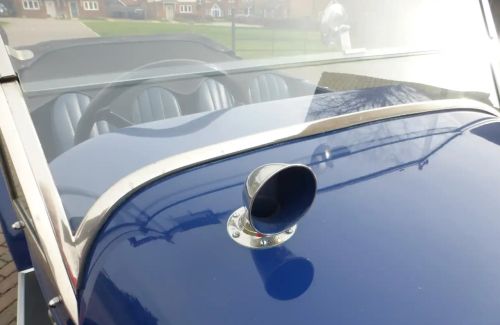
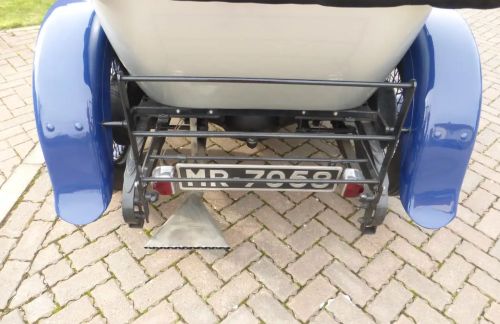
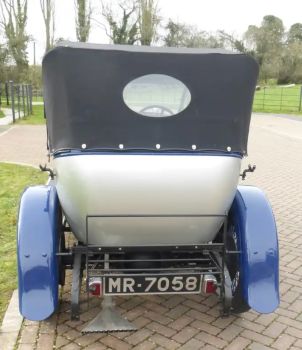
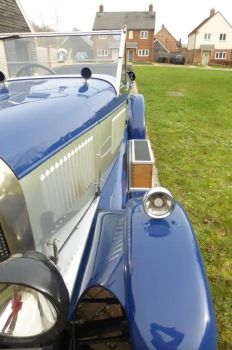
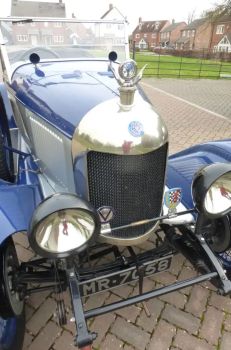
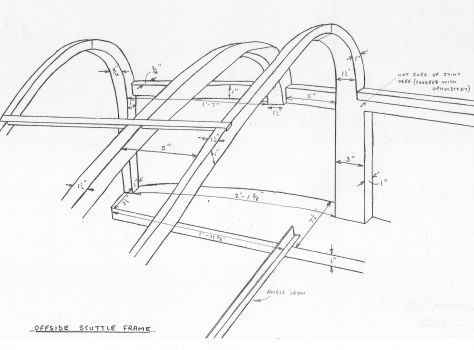
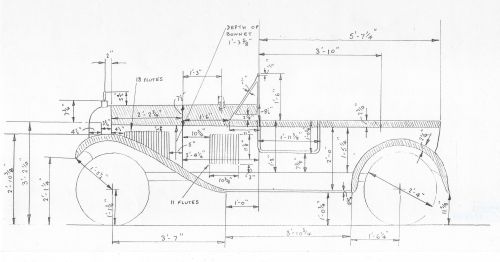
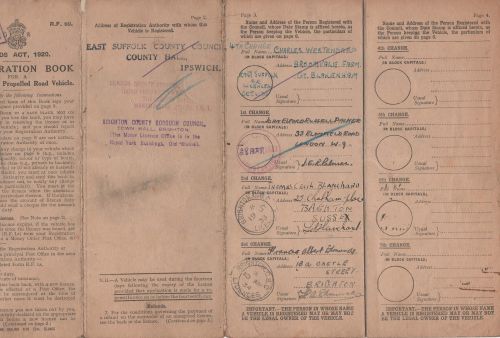
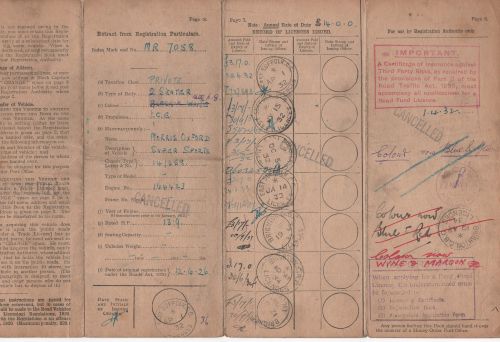
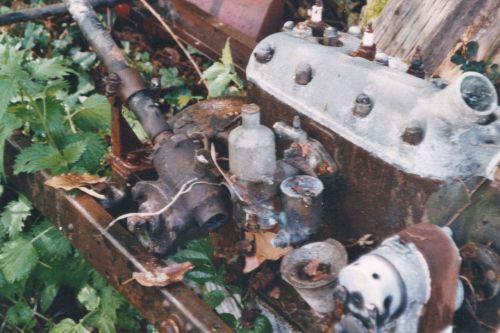
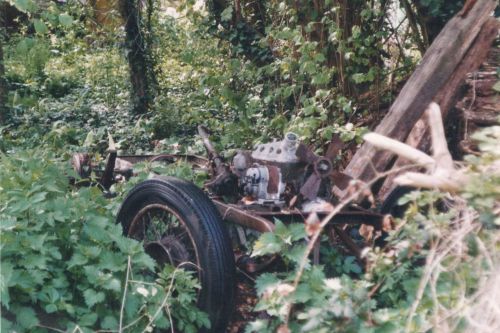
1926 MG 14/28 Super Sports - This is a faithful and desirable reconstruction of a 1926 MG ‘Super Sports’ and in addition this car has a period LAP overhead valve cylinder head conversion, built on a genuine 14/28 chassis - complete with original registration number - carefully researched by the well-known motoring historian vendor and his brother over a period of the last 46 years ago from 1979 when the chassis was first discovered in a run down state near Mere in Wiltshire...see photos
FABULOUS - please enquire
HISTORY NOTES TO THE VERY FIRST MODEL to be labelled an MG
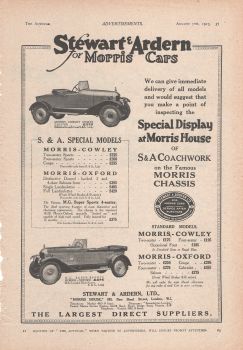
Arguably, the world’s most famous sports car, the MG has shadowy beginnings and historians have difficulty in establishing which car was in fact the first MG. One certainty is that without the imagination and drive of Cecil Kimber, the MG would never have come into being. Kimber joined Morris Garages - the group of retail outlets owned by William Morris - as sales manager in 1921, becoming General Manager a year later. He quickly began to design special body work for the Morris Cowley. This was the Chummy, a two-seater with space in the back for two additional passengers, with a hood covering all four seats, unlike the usual Dickey seat arrangement where the rear passengers sat unprotected. The rear of the car was lowered by the simple expedient of mounting the auxiliary quarter elliptic springs above the frame instead of below it. Kimber ordered the bodies from Carbodies of Coventry, where they were mounted on Cowley chassis, and finished off in one of the Morris Garages, in Longwall Street, Oxford. They were sold under the name of Morris Garages Chummy, and cost about the same as a standard Cowley four seater tourer. In February 1923 assembly was moved to a tiny workshop measuring 19‘ x 100‘ in Alfred Lane Oxford. With only three men working for him, Kimber managed to produce as many as 20 Chummys per week. With a mildly tuned model, he won a gold medal in the MCC 1923 Lands End trial, and this must’ve encouraged him to build a more sporting version of the Cowley. This had a two seater body by Raworth of Oxford, with raked windscreen. Six bodies were ordered, and the first car delivered in August 1923. At £350 it was very expensive compared with £198 for the Morris two-seater Cowley, and it was a year before the six cars were sold.
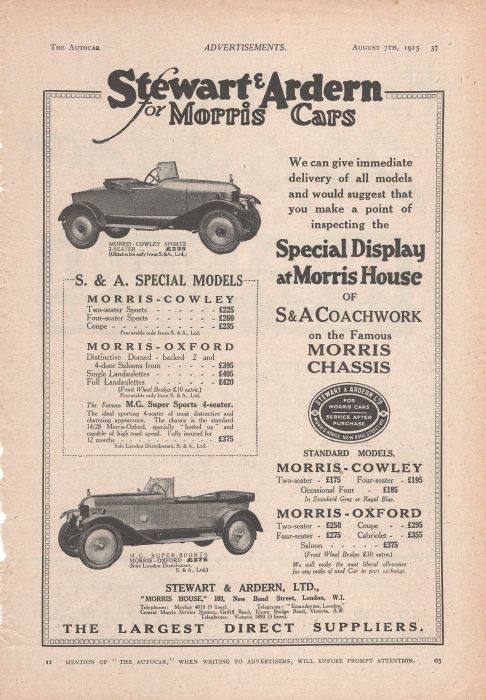
Kimber’s next car was a Chummy body on the Morris Oxford chassis followed by a saloon on the 14/28 Oxford chassis. This was advertised in the first issue of ‘The Morris Owner’ magazine in March 1924 as the MG V-front saloon. This was the first use of the MG name, and two months later the Raworth bodied Cowley was advertised as the “MG Super Sports Morris”. During 1924 Kimber built at least two special cars to individual order. One had a polished aluminium four-seater body by Carbodies, with discs covering the ugly artillery wheels. Built for trials driver Billy Cooper on the 14/28 Oxford chassis, it attracted a lot of attention at Brooklands and elsewhere, leading to request for replicas. At least 13 had been made by October 1924, when a longer wheelbase Oxford enabled better looking cars to be made. Kimber’s advertising referred to them as MGs though the Press tempted to call them Special Bodied Morrises, a practice that continued for some time.
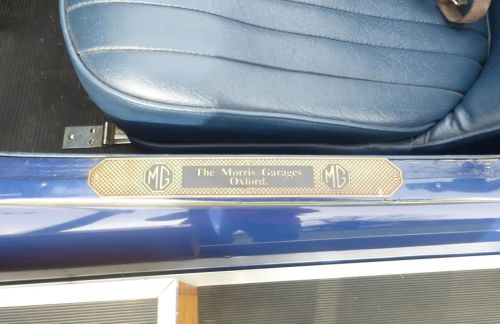
The 14/28 tourer can be regarded as the first production MG. In 1925 Kimber issued his first catalogue in which the car was called the MG Super Sports, with no more mention of Morris. Modifications to the chassis which had been introduced in 1924, included a steeply raked steering column, flattened springs, more direct steering, handbrake moved from centre to right, and a higher final drive ratio. Clearly, the MG was no longer a Special bodied Morris, though it’s ancestry was still proclaimed by the Bullnose radiator. This did not yet carry the MG octagon badge, though octagons were used on the door plates mounted on the running boards. Three body styles were offered, the four seater at £375, a two seater at £350, and the Salonette, a two door saloon with a 2+2 seating and a little ducks tail for luggage at £475.
In the 12 months following the announcement of the new cars, 135 were built, 93 four seaters, 36 two seaters, and six Salonettes. The little workshop in Alfred Lane also built 25 closed bodies on unmodified Morris chassis. It is worth mentioning that the stock two seater, registered FC7900, which still exists and has featured so often in advertising as the first MG, or ‘Old Number One’, was by no means the first and it was not a standard model. It was not even built at Alfred Lane, being assembled at Longwall Street and powered by an OHV Hotchkiss engine. Kimber took a gold medal with it in the MCC 1925 Lands End Trial, and sold it shortly afterwards. Conditions in Alfred Lane were very cramped, and in September 1925 Kimber persuaded William Morris to let him have part of the Morris Motors radiator factory. Staff now numbered about 50, and a further move towards individuality was that Morris engines were now dismantled and carefully checked before being reassembled and installed in the chassis. In September 1926 Morris replaced the Bullnose radiator with a flat one, at the same time making the chassis wider and shorter. MG followed suit, the new car being available with the same bodies as the Bullnose, although there were two models of Salonette, the 2+2 with ducks tail luggage compartment, and a four seater with conventional D back saloon body. From late 1927 they were called 14/14, and carried an enamel MG radiator badge. The stock of 14/28 carried on over into the 1928 season and, sold as 14/40s, were re badged with octagons. Production was 235 cars in the 1927 season, and 399 in the 1928 season. in July 1927 Morris Garages was registered as a limited company, and two months later they moved into their first purpose-built factory, at Edmond Road, Cowley. Chassis now carried the MG car number as well as a Morris chassis number. Another landmark of 1927 was the first MG’s countless racing successes, when a 14/40 was driven to victory in a touring car race outside Buenos Aires. In October 1928 MG had their first stand at London’s Olympia Motor Show. Three models were exhibited, the familiar 14/40 and two completely new cars which marked a further step towards individuality. The little M type Midget became the more popular, but it was less innovative than the six cylinder 18/80, for most of its components came from William Morris's new Minor.
With acknowledgement to the three volume Encyclopaedia of the Automobile Volume 2 by Nick Georgano
__________________
Although we attempt to ensure accuracy of any statement or detail, the customer must make his or her own judgement in purchasing this car. The purchaser of the above car understands that he or she is purchasing a pre-war motor car with components that are up to 100 years old and sold as a collector item. There is no warranty given or implied due to the age of the car
Call 07973 731508